
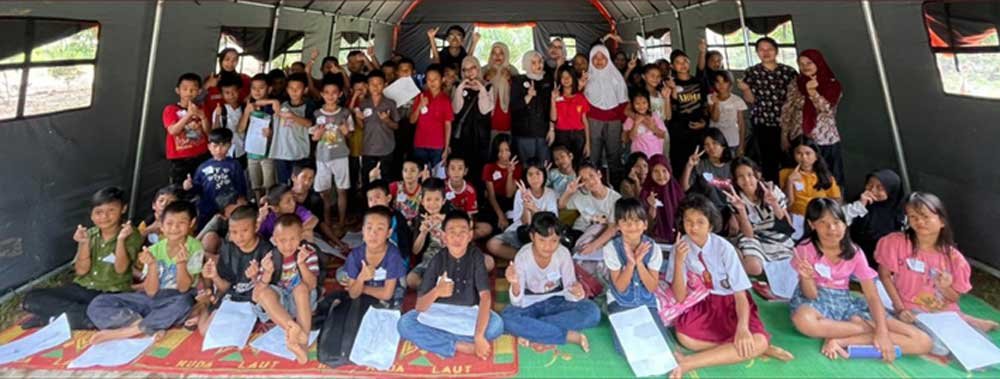
Creating safe spaces for children is not merely a programmatic goal, it is a moral commitment. In Sibolga and Central Tapanuli, this commitment takes shape through collaboration, patience, and the belief that every child deserves to feel seen, safe, and supported. Together with Save the Children, these efforts remind us that healing often begins not with grand interventions, but with something far simpler: presence.
Children living in vulnerable contexts frequently carry invisible burdens. Economic hardship, social instability, displacement, or exposure to violence can leave deep emotional marks, even when they are not immediately visible. For many of them, daily life offers little room to process fear, confusion, or loss. In such circumstances, a “safe space” becomes more than a physical location, it becomes a sanctuary where children are allowed to be children again.
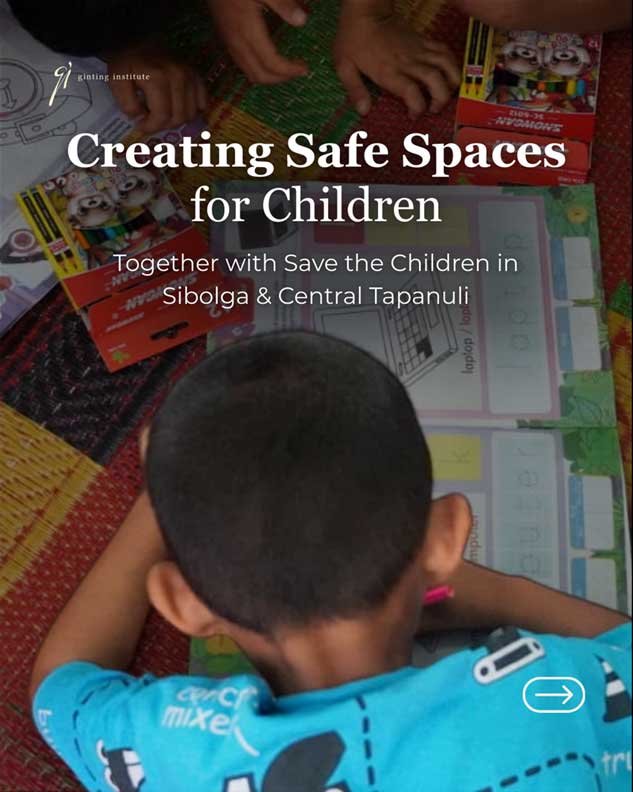
In Sibolga and Central Tapanuli, safe spaces are designed intentionally to answer this need. They are environments where children can play freely, express their emotions without judgment, and rebuild a sense of normalcy. Within these spaces, laughter is not trivial; it is therapeutic. Play is not a distraction; it is a language children use to make sense of their world. Simply having trusted adults who listen, sit beside them, and show up consistently can be a powerful first step toward recovery.
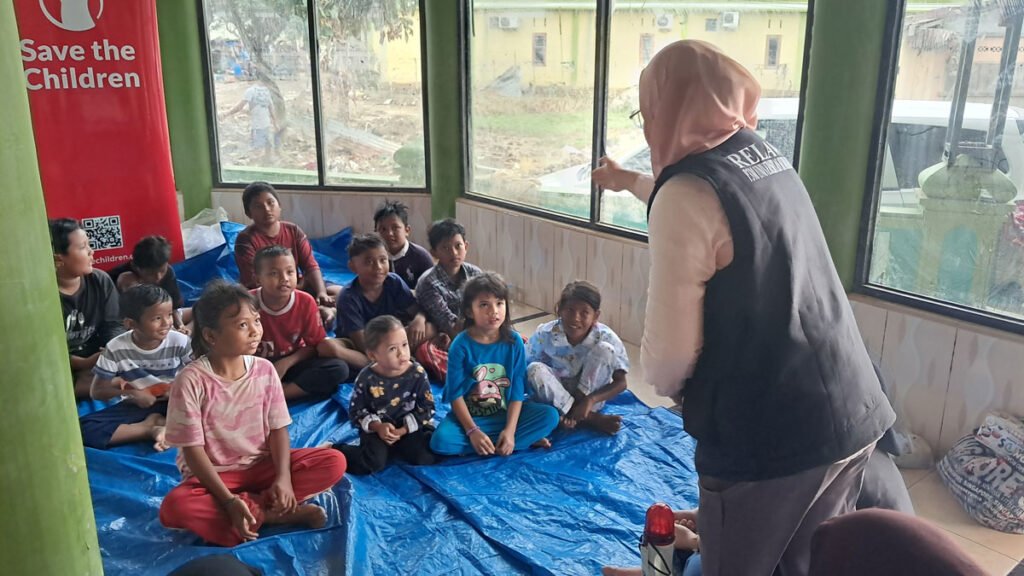
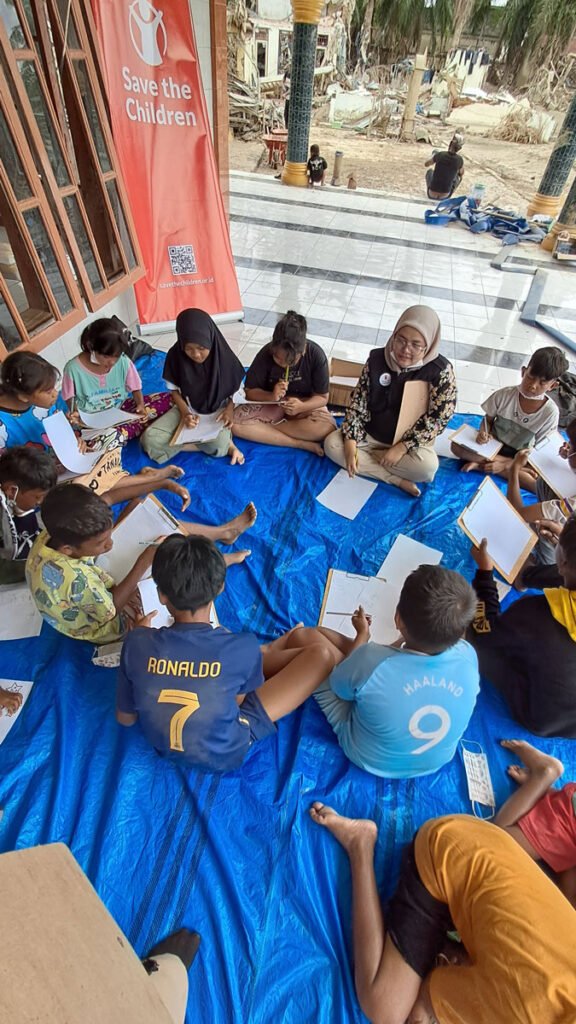
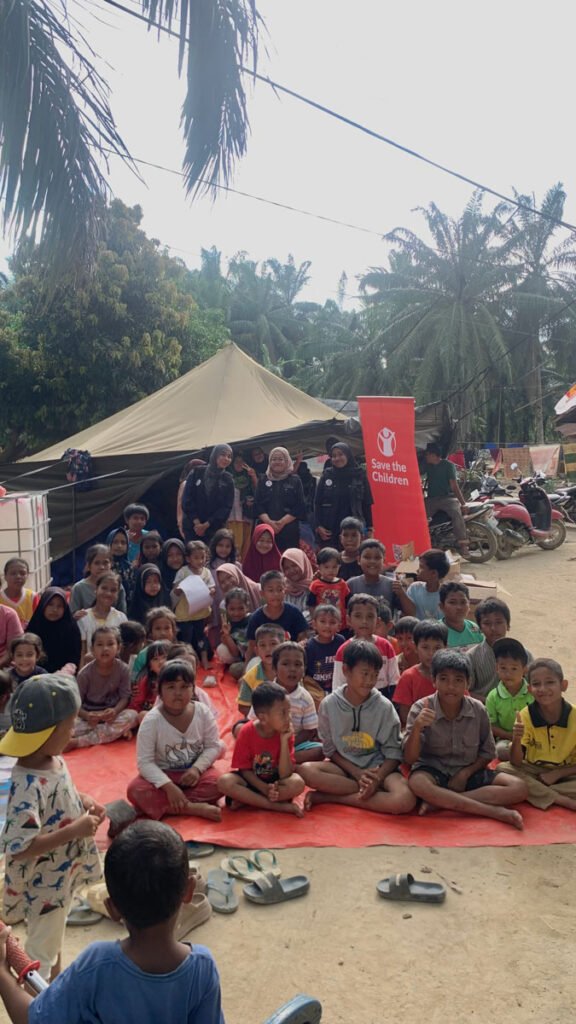
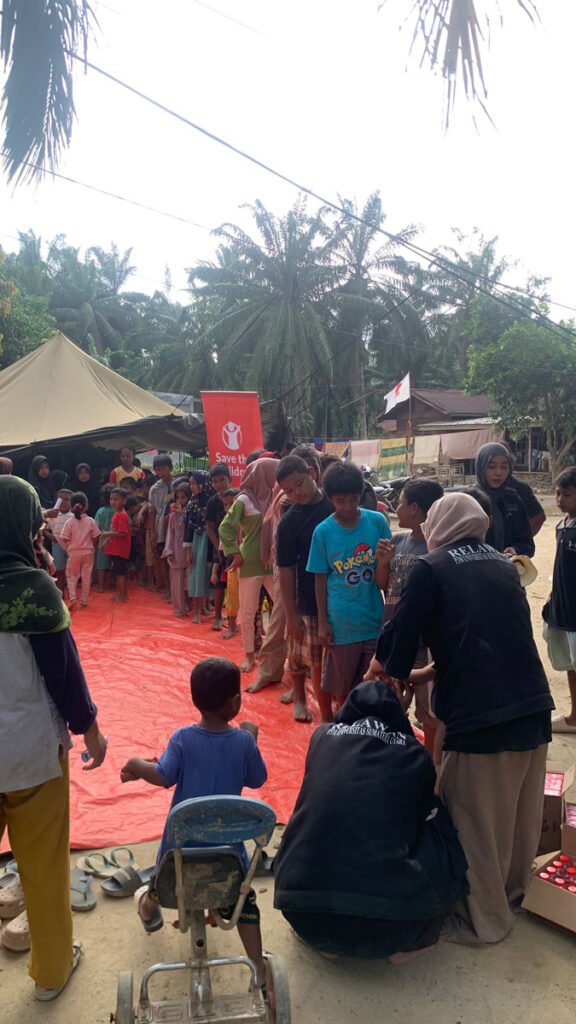
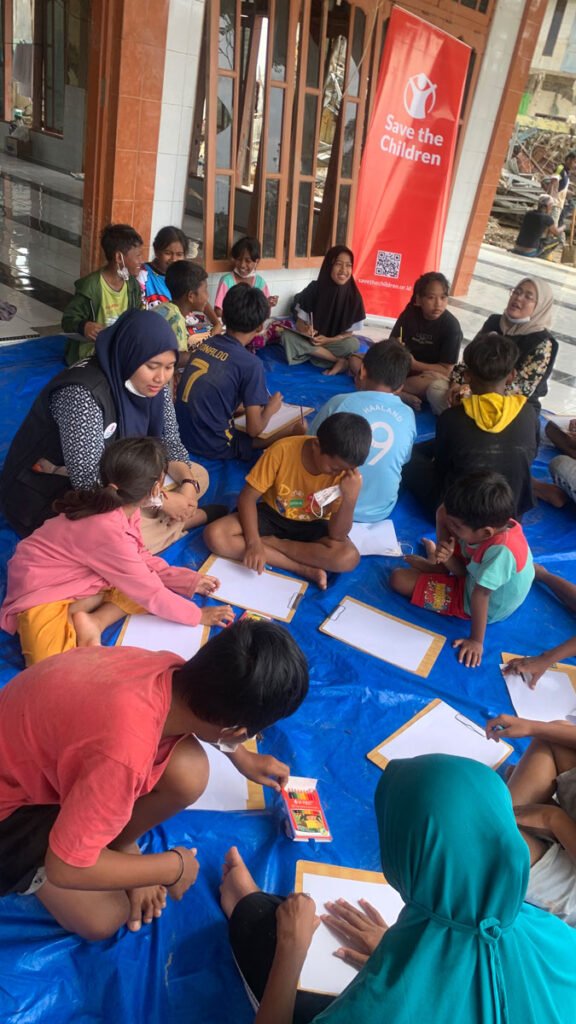
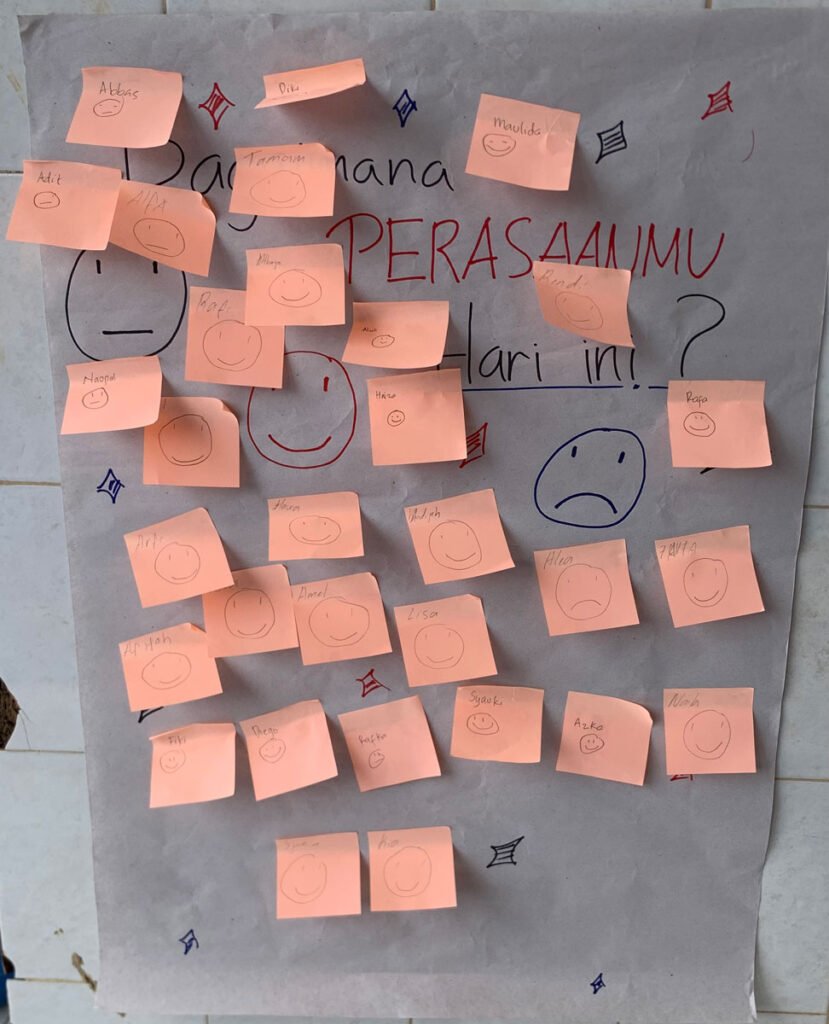
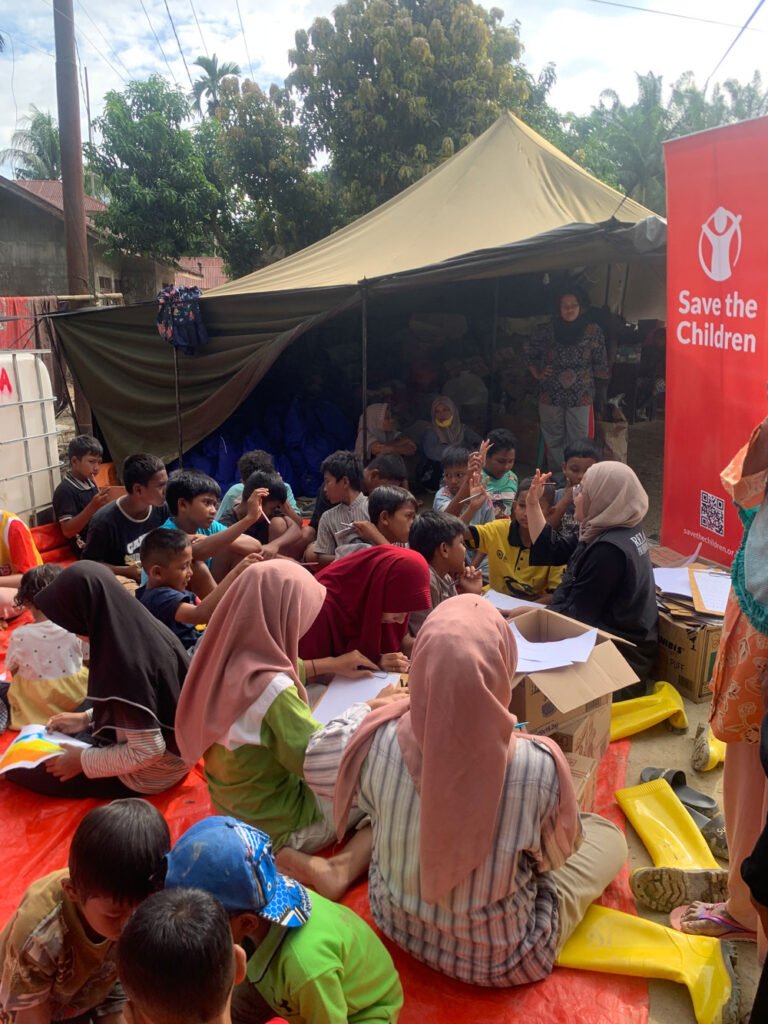
Save the Children has long emphasized that child protection is most effective when it centers the child’s emotional and psychological well-being, not only their physical safety. Through this partnership, the focus extends beyond emergency response toward long-term resilience. Activities in these safe spaces, ranging from creative play and storytelling to group discussions and psychosocial support are designed to help children name their feelings, regain confidence, and slowly rebuild trust in others.
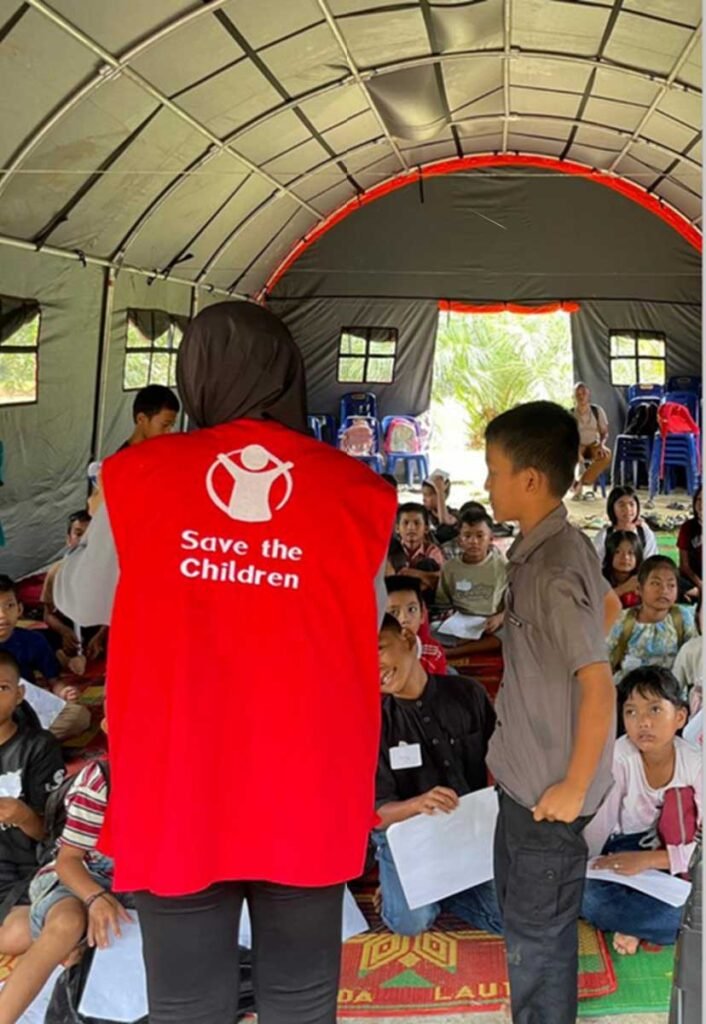
What makes these spaces truly meaningful is the collective effort behind them. Community members, facilitators, volunteers, and organizations work hand in hand to ensure that children are not treated as passive recipients of aid, but as individuals with voices, agency, and dignity. This approach sends a clear message: you matter, your feelings matter, and you are not alone.
Presence, in this context, is an act of care. It means showing up day after day, even when progress feels slow. It means listening to stories that are difficult to hear and holding space for emotions that cannot be rushed. Healing is rarely linear, especially for children who have experienced distress. Some days are filled with joy and openness; others are quiet, guarded, or withdrawn. Safe spaces allow room for all of it, without pressure or expectation.
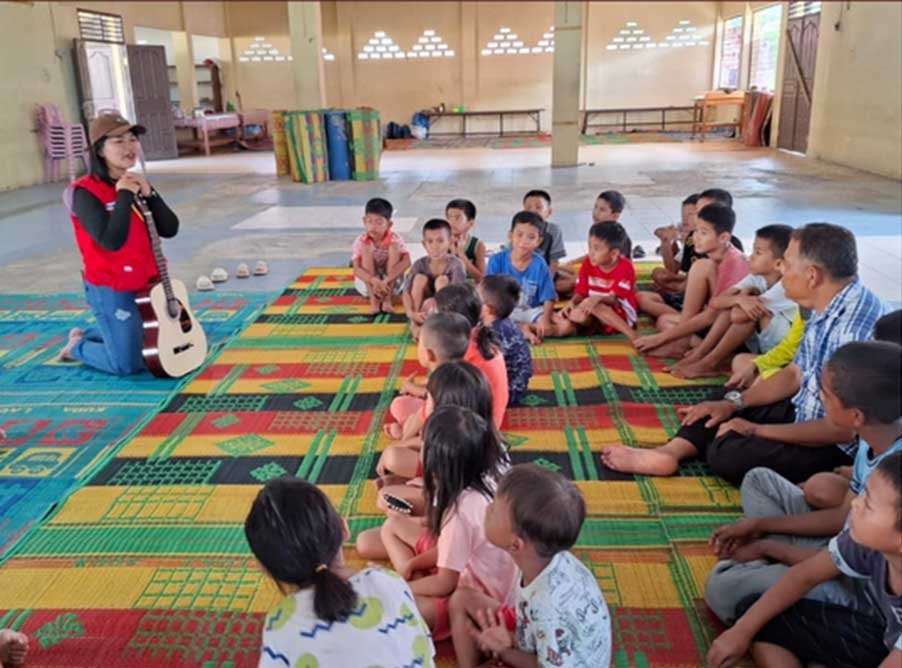
In many ways, these initiatives also strengthen the broader community. When children feel safer and more supported, families and caregivers are empowered as well. Awareness grows around child rights, mental health, and the importance of nurturing environments. Over time, safe spaces can influence how communities respond to vulnerability, shifting from silence or stigma toward empathy and shared responsibility.
Creating safe spaces for children in Sibolga and Central Tapanuli is a reminder that meaningful change does not always come from sweeping gestures. Sometimes, it begins with sitting on the floor, sharing a game, or offering a quiet moment of attention. It begins with choosing to be present.
Together with Save the Children, the ongoing work continues to affirm a simple but profound truth: every child deserves a place where they feel protected, valued, and free to begin again. In those shared moments of safety and care, healing takes root and hope quietly grows.
Sumatra Island Floods & Landslides Response Update
Images source: Save the Children